
15+
Years Manufacturing
50+
Countries Served
One-Stop
drilling equipment supply
APl
7K Certified
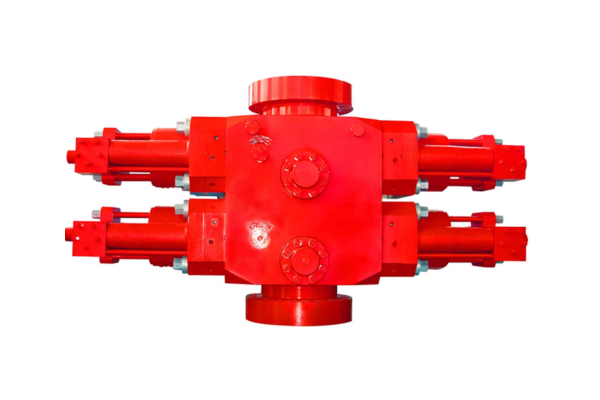
Introduction to Well Control Equipment
Our well control equipment ensures operational safety and prevents blowouts in high-pressure environments. Engineered for reliability, our blowout preventers (BOPs) and control systems meet strict API standards. We offer customizable solutions with advanced monitoring to secure your personnel and assets during drilling operations.
Key Features and Benefits of Well Control Equipment
Immediate Pressure Control
Enables rapid isolation and regulation of wellbore pressures to prevent blowouts, protecting personnel, equipment, and the environment.
Reliable Blowout Prevention
Robust valves and rams reduce uncontrolled flow, minimizing spill risk and downtime while ensuring compliance with safety standards.
Accurate Pressure Monitoring
High-fidelity sensors provide continuous data for decision-making, enabling early detection of anomalies and reducing the likelihood of emergency interventions.
Rapid Emergency Response
Integrated controls and quick-actuation systems allow fast shut-in and intervention, limiting incident escalation and protecting crews and assets on site.
Durable Corrosion Resistance
Materials and coatings extend service life in harsh environments, lowering maintenance costs and improving operational availability of critical components.
Modular Integration Design
Configurable systems enable seamless integration with rigs and FPSOs, simplifying upgrades, spare parts management, and tailored deployment across projects.
Trusted by Industry Leaders
The reliability of this well control equipment has significantly reduced our NPT. The monitoring features are a game-changer for our drillers.
Drilling Superintendent
We needed a custom solution for a high-pressure reservoir, and their engineering team delivered exactly what we needed. Excellent compliance documentation, too.
Rig Manager
Top-tier support. When we had a minor calibration issue, their tech team walked us through it immediately. The equipment itself is robust and easy to operate.
Operations Director
Inspection and Maintenance of Well Control Equipment
Effective maintenance of well control equipment is essential for minimizing risks and ensuring uninterrupted operations. Proactive care, including regular system checks and performance evaluations, helps maintain equipment integrity and supports compliance with industry standards.
Routine maintenance not only extends equipment lifespan but also enhances safety. By prioritizing inspections and adhering to best practices, operators can ensure reliable performance in demanding well control scenarios.
Need Immediate Replacements?
If your regular inspection reveals wear, don’t risk a breakdown. We supply high-performance, API-certified consumables designed to endure harsh drilling conditions and extend your operational intervals.
Choosing the Right Well Control Equipment
Selecting the appropriate equipment is critical for operational safety and efficiency. Our guide helps you navigate pressure ratings, compliance, and specific operational needs to ensure optimal performance.
Assess Operational Needs
Your equipment must match the specific pressures, temperatures, and fluid types of your well. A thorough analysis prevents failures and ensures the system can handle the maximum anticipated wellbore pressure, providing a critical safety margin.
Verify Industry Compliance
Ensure all components meet API standards like 16A, 16C, and 16D. This not only guarantees equipment quality and reliability but also ensures you are operating within legal and safety regulations, avoiding costly fines and downtime.
Evaluate Reliability and Durability
Select equipment built with high-strength materials designed to withstand harsh drilling environments. Prioritizing durability reduces the risk of equipment failure, minimizes non-productive time, and ensures long-term operational integrity.
Confirm System Integration
Your chosen well control equipment must seamlessly integrate with your existing rig systems. Proper integration ensures coordinated functionality, simplifies operations, and allows for efficient and accurate control during critical well events.
Consider Maintenance and Support
Choose a supplier that offers comprehensive maintenance programs and readily available expert support. This ensures your equipment remains in optimal condition, minimizes downtime, and guarantees you have help when you need it most.
Plan for Customization
Every well is different. Opt for modular solutions that can be tailored to your specific drilling conditions and operational requirements. Customization ensures maximum efficiency and safety for your unique project needs.
-

HDD (Trenchless) Pumps
-
Mud Pump Packages
-
Well Control Equipment
-
Oil Refinery Equipment

Latest News
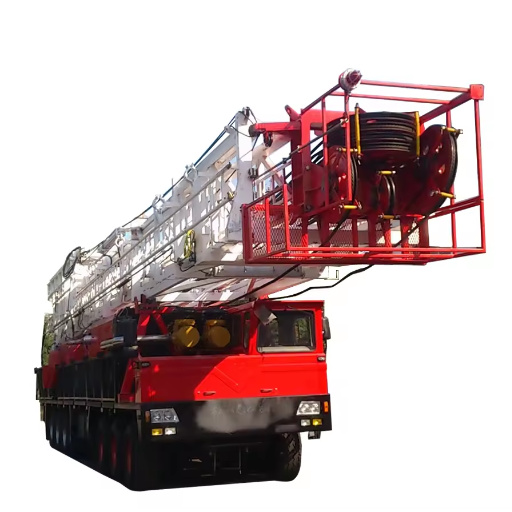
Mobile drilling and workover equipment: Drilling rig technology
The advent of mobile drilling & workover rigs in the oil & gas sector has…
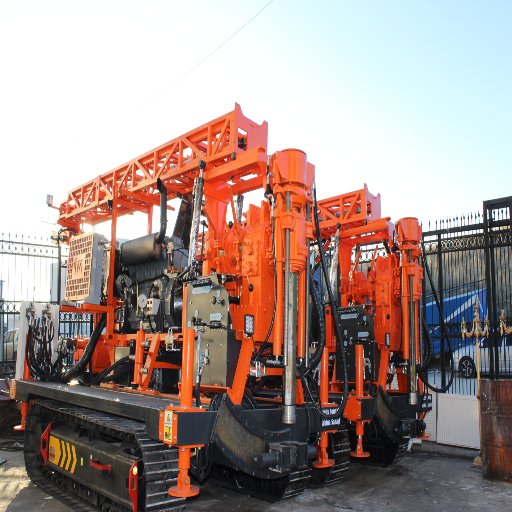
Mechanical Drilling Rigs: The Essential Guide for Industry Professionals
The development of mechanical drilling rigs is in the modern drilling industry, which involves the…
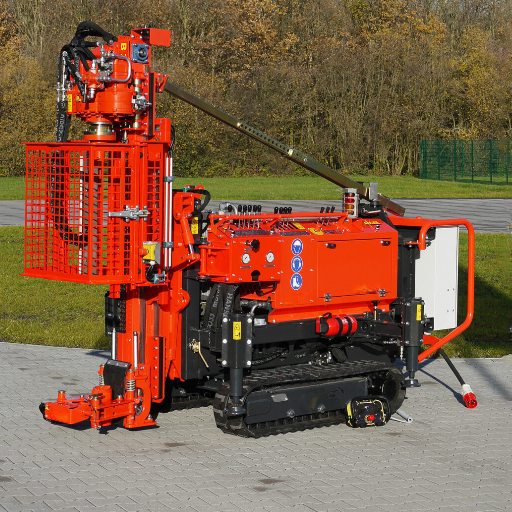
Electric Drilling Rigs: The Future of Drill Rigs with Electric Drives
There is a paradigmatic shift taking place within the drilling industry; a shift necessitated by…
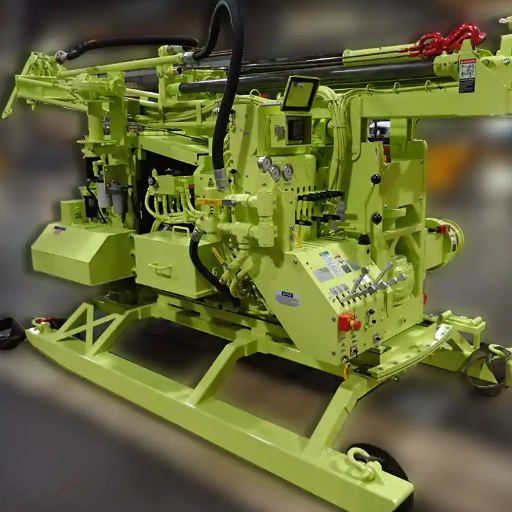
Skid-Mounted Drill Rig: Versatile Drilling Solutions
In contemporary drilling contexts, efficiency, adaptability, and toughness are sine qua non. To cater to…
Frequently Asked Questions (FAQs)
Well control equipment prevents well blowouts by managing fluid flow and maintaining hydrostatic pressure in the fluid column, using tools such as a choke manifold and annular blowout preventer. These blowout prevention tools work with drilling fluid and mud weight to control pressure and ensure safe and efficient operation on an oil and gas well.
Advanced well control combines choke and kill procedures, choke valves, and kill lines to control high-pressure formation fluid and restore pressure balance while avoiding uncontrolled flow. It may use special equipment like a separator and involve pneumatic or hydraulic systems to protect the drilling rig and oilfield operations.
Inspection of the BOP stack includes function tests of types of BOPs, checks of the annular, single ram, and check valve condition, and verification of kill lines, float valve, and casing head integrity. Regular function tests and inspections help detect issues early, preventing well blowouts and ensuring blowout prevention tools perform under high pressure.
Selecting well control equipment requires evaluating anticipated hydrostatic pressure, mud density, drill pipe and drill string strength, and whether a diverter or manifold is needed to control fluid flow. Consider compatibility with drilling tools, choke manifold capacity, fire-fighting needs, and the complexity of the oilfield formation to maintain safe and efficient operation.
Choke systems, including choke valves and the choke manifold, regulate fluid flow to control pressure and protect against pressure surges by maintaining mud weight and controlling the fluid column. Proper use of a choke and kill procedure reduces the risk of well blowouts and supports pressure balance during both normal drilling and emergency response.
Routine function tests and maintenance of blowout prevention tools, separators, and special equipment ensure components like the annular blowout preventer, single ram, and check valve operate reliably under high pressure. Timely checks reduce the chance of loss of well control, help avoid uncontrolled flow, and support firefighting and fire extinguishing measures if an incident occurs.
Ready to upgrade your well control capabilities?
Enhance safety, ensure compliance, and boost operational efficiency. Contact our experts today to request a quote or download our detailed brochure to discover how our advanced well control solutions can benefit your drilling operations.
Loyal is a professional drilling equipment manufacturer specializing in oil rigs,
mud pumps, and solid control systems for global drilling operations.
mud pumps, and solid control systems for global drilling operations.
-
Phone: +86-531-55583139
-
Whatsapp/Wechat/Mobile: Ashley: +86 13256674591
Cindy: +86 13176674591
Products
Quick Links