
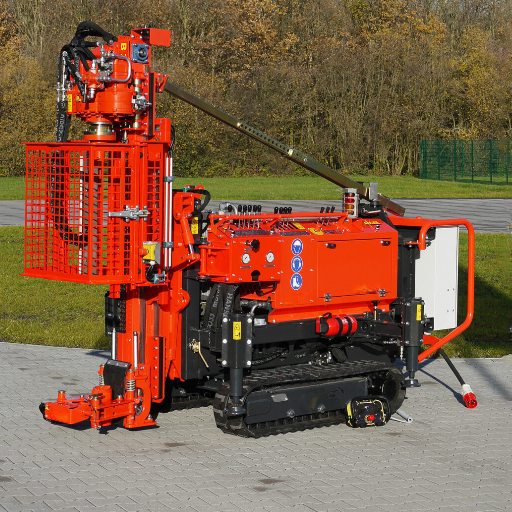
Electric Drilling Rigs: The Future of Drill Rigs with Electric Drives
There is a paradigmatic shift taking place within the drilling industry; a shift necessitated by the increasing need for clean and renewable energy resource technologies. Chief among these is the emergence of electric rigs that enhance the efficiency of operations while decreasing the negative environmental aspects of the processes. These rigs revolutionize conventional diesel systems with clean electric drives, which are less noisy and operate more precisely. This text seeks to discuss the trends in place for the deployment of electric drilling rigs, including highlighting the superiority of the rigs, the evolving engineering of the rigs, and the strategic role the technological advance will play in the energy sector. Ingenious new practices in drilling technology will not be left unexplored as all the interested industry players, as well as those curious civilians, shall be adequately exposed to the direction electric rigs are taking towards the unitary future in energy.
Introduction to Electric Drilling Rigs
In a broader context, the cutting-edge invention of electric drilling rigs is one of the developing sub-categories of the technological revolution in drilling operations, which, together with traditional diesel engines, uses electric energy to carry out important processes. The goals of these rigs include increasing energy saving, decreasing pollution, and lowering operation costs. These technologies also result in the substitution of electric motors for combustion engines, which eliminates to a large extent the emission of environmentally detrimental gases, besides diminishing the noise pollution, and enhancing the reliability of the equipment. Incorporation of electric energy also provides a facility for the easement of this technology, such that more complex levels of operation are also possible. The described assumptions determine electric drilling rigs as an instrument that is imperative throughout the evolution of a cleaner-based economy, where energy sources are less detrimental.
Overview of Electrification in the Industry
The electrification of construction projects and processes, especially in traditional oil and gas, mineral resources, and manufacturing industries, is pushing through by leaps and bounds in the wake of new technology development and the need for sustainability. A unique benefit is the elimination of direct carbon emissions attributed to traditional fossil fuel burning processes. Recent technical reports indicate that the use of electric drilling rigs has the potential to reduce greenhouse gas emissions by 25 percent to 30 percent, depending on the extent of electrification and tariff structure.
There is a growing appeal to include renewable energy in electrification reconditioning systems such as photovoltaic, wind, or impellent technologies so as to minimize dependency on fossil fuels. An example is offered by the use of high-capacity lithium-ion batteries in industrial measures in very remote areas where the power supply is thin. Finally, the work done by scientists in improving electric motors has seen them deliver above 90% efficiency levels which is remarkably higher than the efficiency of combustion engines.
Similarly, the introduction of electrified systems has also enhanced operations in terms of efficiency owing to automation and monitoring techniques. Electromotive units are capable of tracking changes in their equipment instantaneously and also integrating with the Internet of Things, which helps maintenance managers perform predictive maintenance, consequently cutting unexpected downtime by a fifth. Both an increase in productivity and a decrease in carbon footprint illustrate the tactical importance of electrification to industrial activities where the world seeks greener and more resource-efficient behaviour, including electric drilling rig practices.
Significance of Electric Drilling Rigs
Apply for electric drilling rigs at all stations or construction sites, and you will not only improve the efficiency of your operations but also lower the operational costs and enhance the eco-friendliness of drilling operations. Conflicting paradigms of drill patterns can be resolved with regard to operating a crane, the introduction of electric rigs limiting the release of gases from utilizing power sourced from the grid, or renewable energy sources. Utilization of these stations reduces the amount of oil consumed and reduces the adverse effects of the operations, particularly the emissions to the air. These rigs also come with the benefits of being quieter compared to their counterparts, hence reducing noise pollution in the working environment.
In practice, electric drilling rigs provide a higher level of performance in comparison to other types of drill rigs, as they offer more precise and controlled drilling. The use of electric motors allows for a constant supply of power, which makes the processes of drilling operations smoother and less wear and tear-induced mechanical stress. Furthermore, the advanced automation and digital monitoring systems provide for more efficient use of data as well as preventive maintenance, thus minimizing unplanned downtimes and maximizing the productivity of facilities.
The changing approach to the fans’ conditions and the necessarily informed ways of timbering electric drilling rigs are in line with the current industry practices and the external reactive factors that perceptibly regulate the process. Such companies portray themselves as the frontline adapters of the green revolution and adoption of advances in the field while remaining within the bounds of an environmental protection agenda.
Key Features and Benefits of Electric Drill Rigs
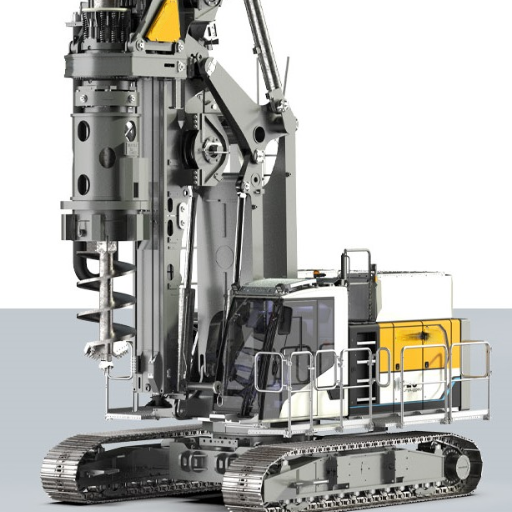
Less Harmful to the Environment
Traditional diesel-powered rigs result in increased amounts of poisonous gases, including carbon dioxide and other gases, which negatively impact productivity. The use of electric rigs helps combat this problem, as well as helps people follow rather stringent Clean Air Act requirements.
Productivity
This system allows for accurate power regulation, which reduces the waste of energy as well as enhances efficiency through performance.
Reduction in Cost of Operation
In the case of electric rigs, the operational costs should be lower as there will be no regular need for the purchase of crude.
Increase in Safety
Working with the electric rigs results in lower noise and vibrations, thus making the workplace less exhausting and distracting to the operators.
Robustness and Functionality
There is less wear and tear, as well as control is all electronic, making the electric rigs great performers without downtime given to breakdowns during drilling operations.
Corporate Social Responsibility
Business organizations that operate electric drilling rigs convey a message that sustainability is one of their key priorities, and this helps them not only gain good popularity with the public but also stay afloat in markets determined by environmental considerations.
Reduced Carbon Footprint and Environmental Impact
Electric drilling rigs play an instrumental role in saving the environment as they do not utilize diesel engines that produce greenhouse gases like carbon dioxide and nitrogen dioxide fumes. Due to the use of electricity, air pollution is controlled, and there is less contamination around the drilling areas. Moreover, the efficiency levels of these rigs reduce unnecessary consumption of energy in the process of operations and, in turn, lower their cost of running. Incorporating alternative sources of energy into the electric equipment, such as wind or solar, helps to improve the efficiency of such systems. This proposes that the electrification movement conforms to the international environmental laws, aiding in the advancement of a decarbonized economy, and giving the firm a better position in the bid to tackle the warming of the globe.
Operational Efficiency and Cost Savings
The use of electric drilling rigs is very advantageous because it greatly increases the productivity of operations since it requires much less maintenance, and it is more reliable. Diesel engines used in conventional drilling rigs have a lot of moving parts, whereas electric rigs don’t have many of them. This is simply because there is less mechanical chasing associated with electric power generation chassis, which is more durable and necessitates less frequent repair services. This spells fewer maintenance charges and downtimes, which maintains the flow of work. Additionally, electric rigs are energy efficient and manage their use of energy optimally in order to considerably minimize fuel and energy costs.
Considering economic efficiency, the employment of electric drilling rigs can lead to significant cost savings in the long run. Even though the costs of the initial capital outlay may be higher, there are lower operational costs and tax incentives for the use of green technology extensions, which compensate for the higher initial costs. Besides, electric drilling machines comply with the requirements for energy savings currently adopted in the industry. Therefore, enterprises are less likely to be penalized for violations of new environmental regulations. Innovations of this kind ultimately enhance the competitiveness of the organization by helping the business remain efficiently operational yet green.
Noise Reduction and Improved Working Conditions
The utilization of more advanced and environmentally safe technologies at places that operate heavy duty machine helps a great deal in minimizing the amount of noise produced. Take, for instance, electric drilling rigs; these, when compared to the other combustion systems, bear fewer movable components and therefore less mechanical noise or emissions. This enhancement not only helps in achieving the noise norms prescribed within a limit but also helps in creating a reasonable environment for its people and decreases the overall noise generated, thus making t liveable and peaceful.
Moreover, with the reduction of noise, the workplace improved for the people as well. In that way, stress will be relieved, and the probability of a hearing disorder due to the high amount of noise will be decreased. Sounds quiet.) Not only will cycles help achieve efficiency and improve safety, but they also aid effective communication and teamwork to create a better work area. These developments usually point to such things as optimizing the designs in a way that presents less vibrations, for instance operationalization the machines is better as well as the directional trends from the safe confines as opposed to the fear caused by the machine. Such technological adoption is not easy, but with such changes comes better productivity costs, a sustainable environment, as well as improvement of the labor conditions; all of which make the UN goals also-minded business practices.
Current Market Trends in Electric Drill Technology
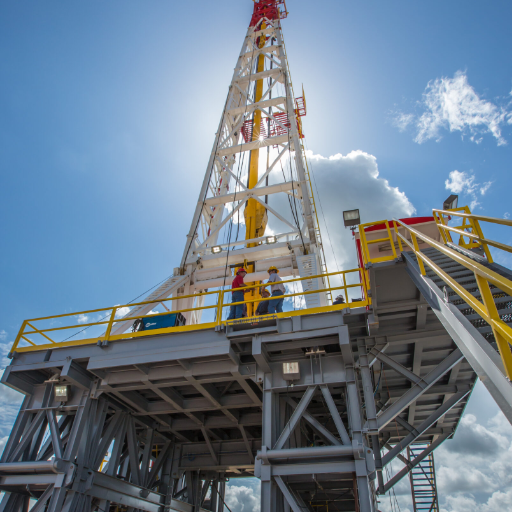
Recent trends in the electric drilling rigs sector have emphasized progress in aspects of efficiency, design, and sustainability. Increasingly, brushless motor technology is used as it helps in extending the life cycle, reduces servicing while improving consumption efficiency. The users are eagerly welcoming the compact and light design of the drill products, which helps in carrying around and handling the tool, especially where space is restricted or in an overhead position. It is also noteworthy that more and more engine-powered tools are being developed that don’t require a cord, as the lithium-ion battery technology is more robust and offers greater reserves of power or more capacity. Similarly, in the context of sustainability, more importantly, the use of waste material or energy saving in the production systems has been profoundly espoused by most companies. All the above trends tend to satisfy the changing demands of both industrial and consumer users in the context of technological changes and environmental concerns.
Adoption Rates of Electric vs. Traditional Diesel Rigs
Because of the developments in battery technology, increased operational costs on diesel engines, and environmental policies, the use of electric drilling rigs is on the rise. Operators are still comfortable and convinced that diesel engines of the drilling rigs will always remain available in the market due to existing networks of diesel motors. The feeling is, however, temporary among the operators, especially in sectors that have set reasonable emissions reduction targets. Previous Studies show that the growth of electric rig adoption on a global scale will be around one foot for every one to two years, by twenty-five to thirty percent, and this will be mostly in regions like Europe and North America, where carbon emissions policies are strict. Though some drawbacks such as upfront investment, can be expensive and absence of the facilities to recharge, the development of fast charging technologies as well as, policies and guidelines that have been put in place regarding the use of government vehicles is helping the pace at which adoption of electric rigs is tremendous and minimizing the challenges that exist between the two trends of diesel and electric.
Insights from Recent Google Search Data
Recent search results from Google have shown an increase in interest in the use and application of electric drilling rigs. Top resources reveal major trends where user searches are based on three main issues.
Issue 1: Charging Infrastructure
Foremost, a great deal of the fear and the need on the part of the electric vehicle industry is in relation to charging stations and their expansion. The authors of the above-sources note that a concern in this regard is currently reduced owing to the developments’ outlook, which projects a 40% rise in charging stations across the world by the year 2030.
Issue 2: Cost Considerations
Secondly, cost continues to be a common subject, with searches being mostly about the cost of electric trucks in relation to diesel ones. available evidence suggests the moderate of high costs in the beginning of puirchng but most of their expenses are mitigated by the fact that even though TCO usually draws people back because of the initial price of purchase, they can compensate with lower maintenance costs and financial assistance from the government along the lifespan of the vehicle
Issue 3: Performance Capabilities
In conclusion, drivers specifically value performance capabilities; range and loading capacity in particular. According to industry projections, new battery technology, for instance, solid state systems will soon be available, aimed at improving range efficiencies by thirty percent over the next five years while ensuring that payload efficiencies remain adequate.
The above illustration highlights the increasing pace of the processes mentioned in the contemporary context of electric drilling rigs, facilitated by growing technologies, regulatory frameworks, and the willingness of consumers.
Challenges and Solutions in Implementing Electric Drill Rigs
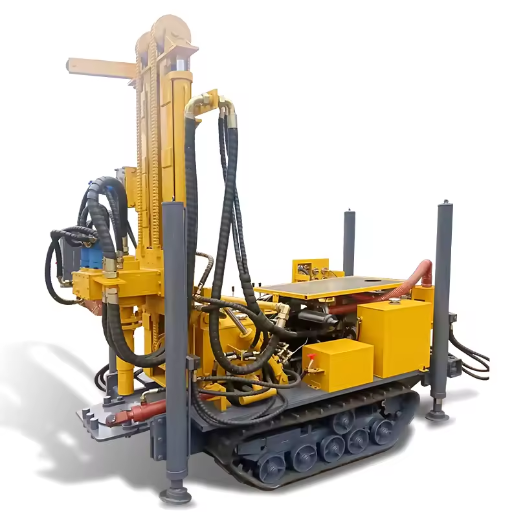
There are many hindrances to the shift towards electric drilling rigs, one of them being the steep upfront costs that include the expenses in relation to the acquisition and installation of proper charging facilities. Such costs may discourage the retooling of the fleets since most of the advanced rigs are capital-intensive, requiring highly complex parts in addition to some changes in the existing structures. Also of importance is the limited presence of charging infrastructure, especially in far-flung areas where most of the mining activities take place, which might affect the convenience of operations at such areas. Furthermore, due to the low energy density characteristics of most of the current battery systems, restricted working hours are determined, and frequent breaks for either charging or changing the batteries are required.
In terms of solving these problems, cost savings are derived from scalable production processes and also from public-private partnerships that provide electric technology investment incentives. It is possible to raise more charging points powered by renewable energy; for example, it is possible to install solar chargers in the vicinity of active locations, and such propositions shall eliminate any logistical issues. The concept of advanced energy storage systems for consideration proposes the use of solid-state batteries to replace ordinary ones, or hybrid systems which also include ultracapacitors, in order to maintain effective performance and duration, and shall find feasibility even in harsh tasking conditions.
Power Supply and Infrastructure Issues
An internal combustion engine (ICE) powered generation or infrastructure has its limitations, especially in the case of the use of electric technology. This core challenge is met by enhancing existing demand capacities. The electric grids need reinforcement, given the surging demand due to the planned electrification of devices. This means that there must be construction of smart grids, an enhancement in the size of the actual grid, and incorporation of green energy for sustainable purposes in its operations.
Also, charging architecture must also be provided from the consumer’s distance location point of view. In many rural areas, a charging structure is not always available, which is why there is an operational limitation. It identifies the installation of high-speed chargers along main transportation routes within the province, investing in Public-Private Partnership (PPP) in order to attain a much wider scope and lower building and management expenses.
In conclusion, reliable sources of power are made possible with the enhancement of energy storage systems. Advanced technology, including but not limited to lithium-ion batteries with higher energy density, solid-state batteries that are more efficient, and hybrid systems such as ultracapacitors used for peak load management, are some of the ways these technologies can enhance energy delivery. Proper incorporation of legalized construction, innovative policy, and communication techniques guarantees the expected high capacity for a sustained period of time.
Initial Investment Costs and Financing Options
In the beginning, capital requirements for electricity storage systems are determined by, among other things, the technology selected, the size of the system, the specifications of the installation, and integration into the existing infrastructure. It is, for instance, common for the initial costs for Lithium-based systems to be high as a result of the nature of the materials and the fabrication techniques involved, costing approximately $350 per kW-hr in more recent times. Solid-state batteries, on the other hand, are even more expensive since the technology is still at a commercial infancy stage, though there are some advantages in terms of increased service life of these kinds of batteries. Combined systems comprehending ultracapacitors often accommodate additional costs incurred by the intricacy and interlinking of various components.
To help overcome these financial roadblocks, there are multiple financing strategies. There is a possibility of entering into power purchase agreements (PPAs) with third parties to install energy storage systems, so that upfront expenditure is reduced and energy savings are paid for in installments over time. There are also other government schemes which encourage developers to invest in such projects, such as tax benefits and subsidies from ITE Tax, and one such scheme is the United States Investment Tax Credit ITC rebates for qualifying projects. Moreover, green bonds and low-interest loans allow access to financing for the large-scale deployment of storage facilities. Such financing options enable the stakeholders to resolve the heavy initial investments and yet enjoy the benefits, both economically and in terms of operation, in the long run.
Adapting to New Technologies in the Field
It is imperative for any new and dynamic technology to be adopted within any field of application without posing any significant obstructions, and that works out with careful and laid-down procedures. To begin with, organizations should emphasize and carry out research in order to determine the feasibility of new technologies for old structures. This stage involves the evaluation of requirements from a technical aspect and any disruptions involved, including those of maintaining it for a long time. Not only that, but there will also be a need to offer necessary training to the employees on the new technologies to fill the gap and assist staff to try it out. What is more, engaging with technology vendors or partners diminishes deployment actions and allows them to proceed more quickly without carrying so many implementation risks. It is also important to design, accomplish, and monitor it to develop this technology with continuous correction of all the aspects that depend on this technology. Operating in this fashion, organizations can be driven to advance rather than be caught up in the present, which in turn decreases the chances of hindrances in performance.
Future Outlook for Electric Drilling Rigs
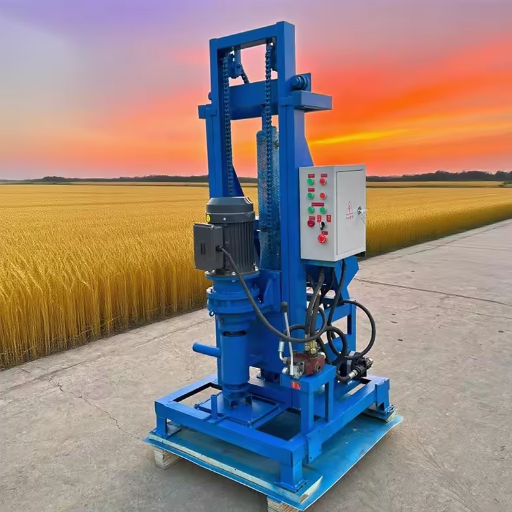
It can be easily ascertained that the prognosis of electric drilling rigs is quite optimistic within the industries that have emphasized energy-saving mechanisms, environmental protection, and laws encouraging greener technologies. This establishes them as more environmentally friendly equipment than the existing numerous air-drilling models, resulting in less environmental pollution in many ways, which is in line with global environmental objectives. Even the increase in the improvement rates of these infrastructures is emerging, which means that the majority of them have become reasons for genuine development. Leading companies devote financial and human resources to R&D activities in order to maximize the productivity and reliability of such tools and, thus, provide an opportunity for fulfilling high level of work tasks to achieve all these goals. All things considered, aimed at the expansion and installation of electric drilling rigs is essential for the advancement of the energy sector to eliminate the use of energy sources that are not only unsustainable but also wasteful.
Predicted Trends for the Next 5-10 Years
During the coming 5 to 10 years, I am optimistic about huge progress in electric drilling rigs over the years due to battery improvement and energy efficiency technology. Besides, with the development of smart technology, which includes real-time monitoring and AI-based optimizations, the operational efficiency will be high, coupled with reduced downtime. Also, the chances of electric rigs getting more demand around the world would increase with time on account of the support of policy frameworks that promote sustainable growth and encourage green strategies in the industries.
Potential Developments in Electric Drive Technology
Engineers conducting studies in the field of electric propulsion systems plan to concentrate on such parameters as specific power, efficiency, and heat transfer. It’s believed sometimes that revolutions in microelectronics with wide band gap materials, including silicon carbide (SiC) and gallium nitride (GaN), can improve systems dramatically, even allowing reduced distribution losses and increased voltage. Meanwhile, advances in battery engineering technology, for example, the case of solid state batteries, hold the potential to increase the energy content, charging speed, and the level of safety as well. In this regard, the concept of modular and easily expandable propulsion units has become popular since it allows for a wider scope of use, from vehicles to industrial plants. In addition to this, operational accuracy will be improved, energy efficiency will be enhanced, and adaptive changes to the load conditions will be incorporated through the use of advanced control systems based on machine learning and artificial intelligence. Thus, all these innovations will change modern electric drilling rigs, making them better in terms of performance and eco-friendliness, as well as the ability to be used in many different sectors.
Conclusion
Electric drilling rigs represent a transformative leap toward sustainable and efficient energy operations. As technology continues to advance and global environmental priorities intensify, these innovative systems are positioned to become the standard in the drilling industry, paving the way for a cleaner, more sustainable energy future.
Reference Sources
An Electric Drive for a Drilling Rig Top Drive System
Published in Springer, this article discusses the implementation and benefits of electric drives in drilling rig top drive systems.
Hydraulic vs. Electric: A Review of Actuation Systems in Offshore Drilling Equipment
Available on ResearchGate, this paper compares hydraulic and electric actuation systems in offshore drilling, highlighting the advantages of electric systems.
The Future of Deep Drilling – A Drilling System Based on Electro Impulse Technology
This ResearchGate article discusses innovative electro-impulse technology for deep drilling systems, emphasizing its potential for future applications.
Frequently Asked Questions (FAQs)
What kinds of electric drilling rigs can be found, and which of these products will be more appropriate for my situation?
There are various types of electric drilling rigs, including small electric rotary ones, larger ac or dc powered ones, and mechanical and hydraulic rigs. It basically hinges on the constraining factors of the site, depth of use, and geotechnical factors. In dense Urban areas, a small driller or a driller of EBG 33 class suitable for kelly drilling or hole operation, as they call it, will suffice more often than not; for dug out in depth foundations or continuous piles, a stably reliable machine with heavy-duty hydraulic pumps, but also in simple drive modes to minimize power shortens will fit in better.
What view on the impact of drive motors’ dc ac, hydromechanical erc. Needs to be adopted?
Performance and maintenance also depend on the drive mode chosen. In hydraulic drilling rigs and dc machines, there is an opportunity for continuous variation of speed, especially for rotary drilling with heavy rock-breaking devices, as their torque is significantly greater at low RPM. Stepless speed regulation of an ac drive system is extremely reliable and is the driver that is not subject to wear and tear and thus works for a long time. Hydraulic drives provide good, powerful torque variation, which is widely used in driving mud pump systems, rotary table or top drives. Mechanically driven systems are the simplest but the least flexible ones. Choose an appropriate system depending on modes of operation: m/min at work, pauses per hour, psi, and control per cycle.
Will high-pressure mud pumps and psi requirements make the use of electric drilling rigs possible instead of hydraulic rigs?
The rig uses electrics in its herculean demands for pressure and mud pumps, which on the downhole have to stop with the help of powerful electric pumps or parallel pump units. Modern drives with variable frequency inverters have the same ability as hydraulic systems in control, where the operator does not perform any actions. In case of extra high pressure or a continuous heavy-duty application, it might be the case that only hybrid systems with an electric motor and hydraulic assistance could work reliably and deliver the desired performance.
What are the types of maintenance and support systems that are generally used for electric drilling rigs?
Manufacturers usually provide a range of products and services such as spare parts for dc motors, overhaul of mud pumps, repair of hydraulic pumps, updating the software of display and control units, and training of the personnel. For many models, high reliability is promoted, as well as a worldwide service network and information on industries and employment in the global Bauer network of expertise, and the supply of spare parts is provided. The regular service of the pump, along with the drive mode elements and chain or mechanical couplings, extends their service life.
Is it a rotary table or top drive that suits me best, and what should I opt for, roofs on parallel drives?
For example, rotary table installations are less complex and are ideally suited in conventional hydraulic systems such as excessive conventional kelly drilling, whereas top drive units are much more flexible in the operation of the latter and more swift in handling of the strings – valuable for much deeper or varying formations, etc. – installations. Parallel transmission systems (using electricity ac or dc, parallel systems, with several motors) each have higher torque and highernumber of machines, providing these surfaces with any freedom of control and operational reliability when loaded to extremes.
Can electric drilling rigs do kelly drilling, and are there different types, for example, drilling rig EBG 33?
Yes, in fact, there is a type of electric rig which is used in kelly drilling, which is named the drilling rig EBG 33 that is purely kelly prepping, constructed in response to hydraulically assistable electric rotary and mud pump assistable requirements. Catch the machines whose purpose is in the bsessar rig is in line with Kelly drilling, with such features as stepless speed adjustment, total control motors with HC displays, and upgradeable mud pumps with CMPs being higher than HNCs.
Which conditions, equipment’s control units, light panels, and other parts panels are usually by default installed on the current models of rigs?
Modern electric drilling rigs have electronic panels for monitoring and managing speed, torque, pump pressure, drive functions, and other parameters, in addition to safety shutdowns and warning signals. Mechanical protections include most typically, guards for exposed chains and other mechanisms, torque clutches, including a stop clutch and a safety brake. The strategy is expected to offer high security levels without necessarily compromising efficiency and working operations, as there is room for manual to automatic controls.
Related Posts
Loyal is a professional drilling equipment manufacturer specializing in oil rigs,
mud pumps, and solid control systems for global drilling operations.
mud pumps, and solid control systems for global drilling operations.
-
Phone: +86-531-55583139
-
Whatsapp/Wechat/Mobile: Ashley: +86 13256674591
Cindy: +86 13176674591
Products
Quick Links