
15+
Years Manufacturing
50+
Countries Served
One-Stop
drilling equipment supply
APl
7K Certified
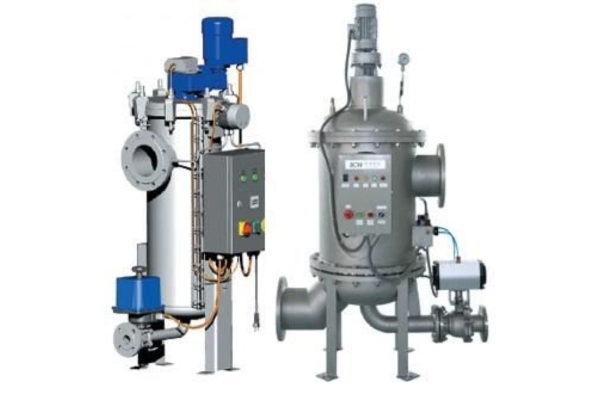
What are Backwash Filter Systems?
Standard filters trap debris until they clog, requiring manual cleaning or replacement. Backwash Filter Systems are different. They utilize a self-cleaning mechanism that reverses the flow of water to flush out trapped contaminants. This automated process rejuvenates the filter media, ensuring continuous, high-efficiency filtration without the downtime or labor associated with traditional strainers.
What Makes Backwash Filter Systems Unique
Automated Self-Cleaning Cycles
Forget about marking your calendar to change dirty filter cartridges. These systems utilize an intelligent control valve that automatically initiates a cleaning cycle based on time or pressure usage, ensuring your filtration media remains effective without you lifting a finger.
Superior Plumbing Protection
Sediment and particulate matter are the silent killers of household plumbing and water-using appliances. By removing these abrasive particles at the point of entry, our systems prevent premature corrosion and wear, significantly extending the lifespan of your pipes and heaters.
Cost-Effective Sustainability
While the initial investment is higher than a standard cartridge filter, the long-term savings are substantial. You eliminate the recurring cost of buying disposable plastic filters every few months, making this a financially savvy and environmentally friendly choice.
Consistent Water Pressure
Traditional filters restrict water flow as they get clogged with debris, leading to annoying pressure drops in your shower or faucet. Because backwash systems regularly flush out accumulated debris, they maintain consistent high flow rates and optimal water pressure throughout your home.
High-Capacity Filtration Media
Our tanks utilize a deep bed of high-grade filtration media, providing a much larger surface area for trapping contaminants compared to thin paper or string filters. This allows the system to capture finer particles and handle heavier sediment loads without compromising performance.
Versatile Water Treatment
Whether you are on a municipal supply dealing with occasional rust or a private well battling heavy sediment and sand, these systems are adaptable. Different media types can be used within the tank to target specific contaminants unique to your water source.
Customer Testimonials
We installed the Backwash Filter System in our main cooling tower loop. The difference in water clarity is night and day, and we’ve cut our maintenance labor hours by 80% since we stopped changing cartridges.
Facilities Manager
In a refinery, downtime is the enemy. This system handles our crude feed filtration without a hiccup. The automated backwashing works exactly as advertised, protecting our downstream exchangers.
Senior Operations Engineer
I recommend these systems to all my commercial clients. They are straightforward to install, and the reduction in plumbing repairs due to sediment damage makes for very happy customers.
Lead Plumbing Contractor
Step-by-Step Guide to Backwash Filter System Maintenance
Regular maintenance is essential for your backwash filter system to run efficiently and last longer. Following a set schedule helps maintain water quality and prevents costly breakdowns.
Proper installation is crucial for system reliability. Always follow manufacturer guidelines and use the right tools to avoid damage and ensure leak-free operation. A good setup is just as important as regular maintenance.
Need Immediate Replacements?
If your regular inspection reveals wear, don’t risk a breakdown. We supply high-performance, API-certified consumables designed to endure harsh drilling conditions and extend your operational intervals.
How Backwash Filter Systems Work
This automated process monitors pressure levels to initiate a reverse-flow cleaning cycle, flushing out contaminants while maintaining system safety and efficiency.
Normal Filtration
The process begins with the crude oil or process water entering the system through the inlet. The fluid passes through the filter screen or media bed from the inside out. Suspended solids, coke fines, and other impurities are trapped on the inner surface of the screen while clean fluid exits.
Pressure Monitoring
As contaminants accumulate on the screen, they create a “filter cake” that restricts flow. A differential pressure switch continuously monitors the pressure difference between the inlet and outlet. Once the pressure drop reaches a pre-set limit (e.g., 7-10 psi), the cleaning cycle is triggered.
Cycle Initiation
The Programmable Logic Controller (PLC) receives the signal from the pressure switch. It opens the backwash valve and, in some designs, starts a motor that rotates a cleaning scanner or suction nozzles. This automation ensures the cleaning only happens when necessary, optimizing energy use.
Reverse Flow Cleaning
The system utilizes a portion of the clean filtered fluid or an external source to reverse the flow direction. High-velocity suction nozzles move across the screen surface, or the flow is reversed through the media bed, effectively lifting and dislodging the trapped contaminants from the filter element.
Contaminant Discharge
The dislodged debris and a small amount of carrier fluid are flushed out through the open backwash valve to a drain or sludge collection tank. This concentrated stream removes the impurities from the system entirely, preventing them from re-entering the process stream or damaging sensitive refinery equipment.
Reset and Resumption
Once the preset backwash time elapses or the pressure differential returns to zero, the backwash valve closes. The system resets the sensors and returns to full filtration mode. The entire process takes seconds to minutes, ensuring minimal impact on the refinery’s overall throughput and efficiency.
-

Backwash Filter Systems
-
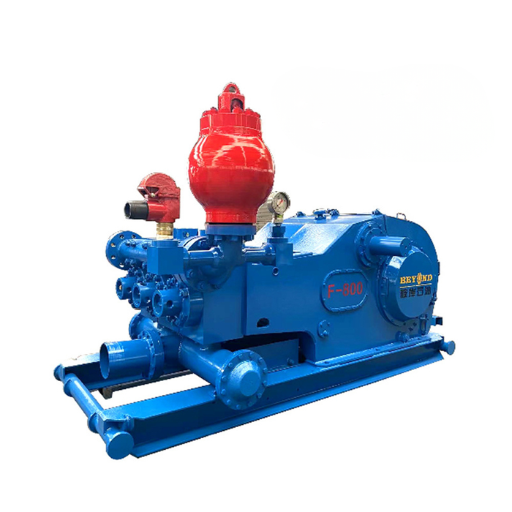
Drilling Mud Pumps
-
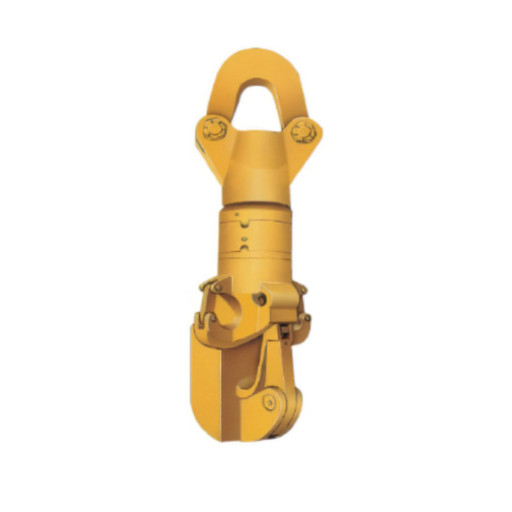
Drilling Rig Accessories
-
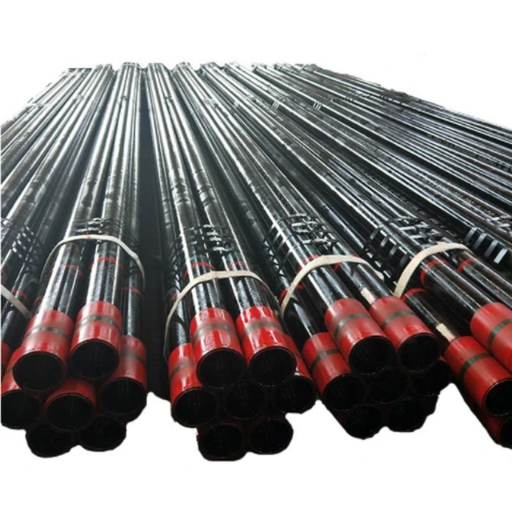
Drilling Tools

Latest News
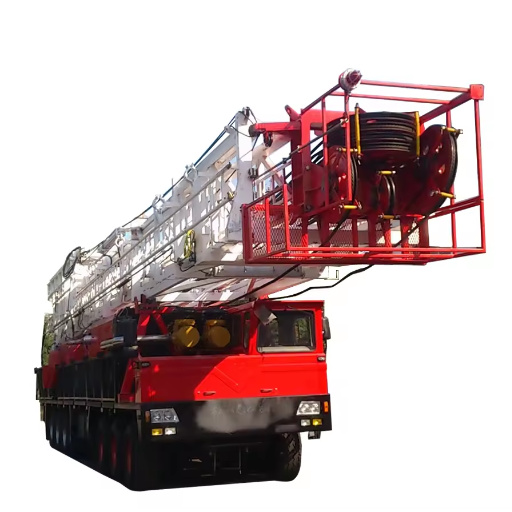
Mobile drilling and workover equipment: Drilling rig technology
The advent of mobile drilling & workover rigs in the oil & gas sector has…
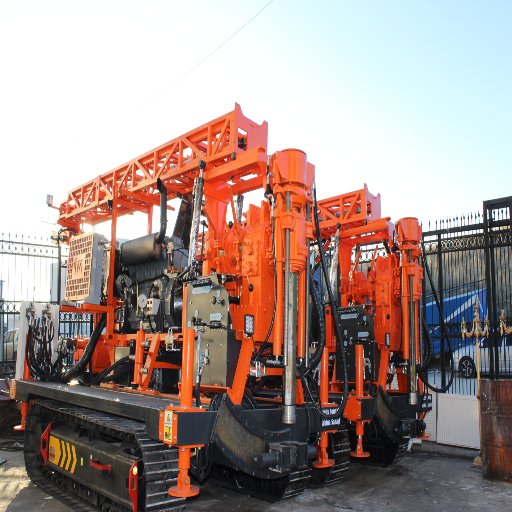
Mechanical Drilling Rigs: The Essential Guide for Industry Professionals
The development of mechanical drilling rigs is in the modern drilling industry, which involves the…
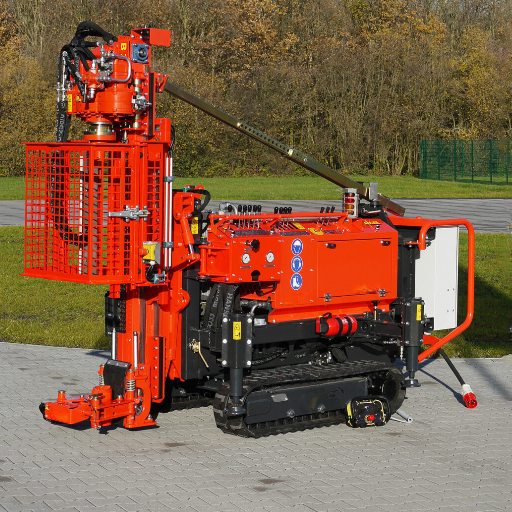
Electric Drilling Rigs: The Future of Drill Rigs with Electric Drives
There is a paradigmatic shift taking place within the drilling industry; a shift necessitated by…
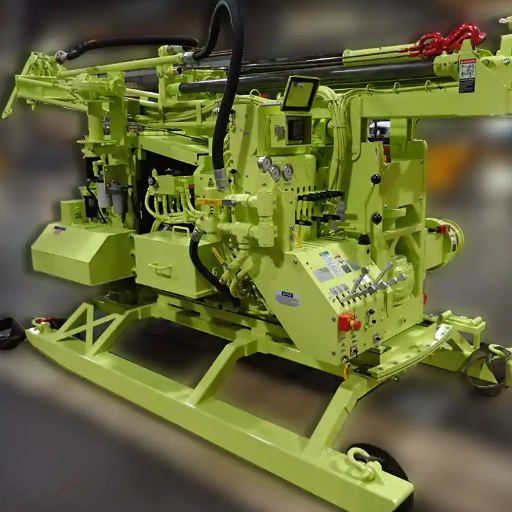
Skid-Mounted Drill Rig: Versatile Drilling Solutions
In contemporary drilling contexts, efficiency, adaptability, and toughness are sine qua non. To cater to…
Frequently Asked Questions (FAQs)
A backwash filter system is a type of water filtration system designed to clean itself by reversing the flow of water through the filter media. This process flushes out trapped contaminants like sediment, chlorine, iron, and other impurities, ensuring the system remains efficient and effective over time. These systems are commonly used in industrial, commercial, and residential applications to maintain water quality and reduce manual maintenance efforts.
Backwash filters operate in two main phases: filtration and backwashing. During filtration, water flows through the filter media, which traps contaminants and allows clean water to pass through. Over time, the media becomes saturated with impurities. In the backwashing phase, the water flow is reversed, lifting and agitating the media to dislodge trapped particles. These contaminants are then flushed out through a drain, leaving the media clean and ready for the next filtration cycle. This process typically takes 10–20 minutes and is often automated.
Backwash filters are versatile and can remove a wide range of contaminants depending on the type of media used. Common contaminants include sediment (like dirt, sand, and rust), chlorine, chloramine, iron, manganese, sulfur (hydrogen sulfide), heavy metals, and even some pesticides and herbicides. Some advanced systems can also target specific impurities like fluoride or arsenic. The exact contaminants removed depend on the filter media and system design.
The frequency of backwashing depends on factors like water quality, usage, and the type of filter system. Most systems are designed to backwash automatically every 4 days to 2 weeks. For water with high levels of contaminants, backwashing may need to occur more frequently to maintain performance. Some systems allow manual backwashing, which can be initiated if the filter media becomes clogged or after installation. Installing pressure gauges can help monitor when backwashing is needed by detecting pressure drops in the system.
Backwash filter systems offer several advantages, including extended filter media life, reduced maintenance, and consistent water quality. By automatically cleaning the media, these systems minimize the need for manual intervention and prevent issues like clogging or bacterial buildup. They also maintain steady water pressure and ensure efficient filtration, making them a cost-effective and reliable solution for long-term water treatment needs.
During the backwashing process, filtered water is temporarily unavailable as the system cleans itself. However, many systems are equipped with a bypass valve that allows unfiltered water to flow through the plumbing while the backwash cycle is in progress. This ensures that water is still accessible for household or industrial use, even if it’s not filtered during that time. The backwashing process typically lasts 10–20 minutes, after which the system resumes normal operation.
Upgrade to self-cleaning filters today
Switch to self-cleaning filters for reduced maintenance, cost savings, and consistent performance. Perfect for residential, commercial, and industrial needs, these systems ensure superior water quality while minimizing effort. Upgrade today for long-term efficiency and reliability.
Loyal is a professional drilling equipment manufacturer specializing in oil rigs,
mud pumps, and solid control systems for global drilling operations.
mud pumps, and solid control systems for global drilling operations.
-
Phone: +86-531-55583139
-
Whatsapp/Wechat/Mobile: Ashley: +86 13256674591
Cindy: +86 13176674591
Products
Quick Links