
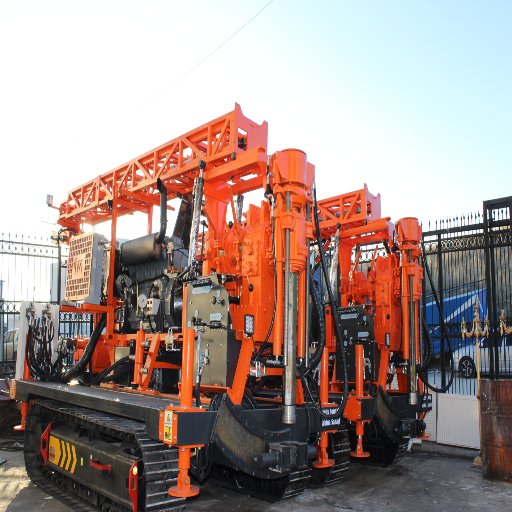
Mechanical Drilling Rigs: The Essential Guide for Industry Professionals
The development of mechanical drilling rigs is in the modern drilling industry, which involves the extraction of natural resources from the subsurface. Professionals in the industry require the knowledge of these complex systems, how they can be operated, and what new developments have been made in the field of mechanical drilling, to be efficient as well as safe and sustainable while doing the actual drilling work. This is drafted as a complete guide on mechanical drilling rigs – explaining all parts of the rigs and their uses in real life. Whether you are working as an engineer employed in the drilling industry, a section engineer, or, for example, a clinical anthropologist and mechanographer, within these guidelines, the material shall have much to offer such individuals in pursuit of mastering or maintaining competence in this still vibrant, growing sector.
Introduction to Mechanical Drilling Rigs
The design of mechanical drilling rigs is centered around producing boreholes or wells in the ground, which is why they are constructed in a peculiar way. They create mechanical energy that allows the drill to make its way through any type of rock layer or any other hard materials that it encounters along the way. Several functions of the equipment include the drill’s operation, the power supply, the lifting equipment, and the circulation system, and they are all used jointly in the processes. As far as mechanical drilling rigs are concerned, they are most commonly used in the petroleum, gas, water, and geothermal industries to drill into the ground. Those simple systems are associated with reliability, especially in the industries that expect a highly efficient and flawless operation.
Importance of Mechanical Drilling Rigs in the Industry
Mechanical digging equipment, such as drilling rigs are very crucial to the energy sector, building industry, and environmental protection because of the diverse modes of operation they cover and the effective nature of these operations. Extraction of natural resources, such as oil and gas, the energy source for any infrastructure works, would not be possible without such mechanical devices. The latter come in handy since a more precise mechanism of reaching deeper and controlled drilling can be applied, thus avoiding waste of resources while remaining compliant with the environmental requirements. Most of the mechanical rigs look at durability, lack of monetary burden in its operation, and the ability to access any geographical location, including congested urban or rural areas and open oceans. In this way, technology and the economies of the respective sectors are developed with the mechanical drilling rigs that assist in the economic world by allowing efficient use of resources, and also in the sectors to help develop infrastructure.
Current State of Mechanical Drilling Technology
In recent developments, the technology of mechanical drilling has evolved quite dramatically with technologically boosted impairment and risk-diminishing components. In the new devices, most processes, such as arrangement and lifting the pipes, already utilize automation – almost completely excluding human attention and increasing performance. In addition, it is hard to find anyone within the circle who is unaware of the predictive maintenance system, which comprises the use of sensors and data analysis to maximize the availability of the equipment and to minimize periods of inactivity. The area of materials also has a great influence on the development of the industry, where new geometric shapes of bits, as well as hard-wearing deposits, allow conducting the performance of the sequence of operations in harsh conditions for longer periods of time, during which the actual wear of the bit will not occur. Last but not least, environmental issues are still the focal point as the bidirectional self-contained fluid handling equipment builds do not need to be vented and thus significantly reduce the amount of fluid and contamination problems. All these advances altogether glorify a development of mechanical drilling rigs to be more self-sustaining than ever before.
Key Components of Mechanical Drilling Rigs
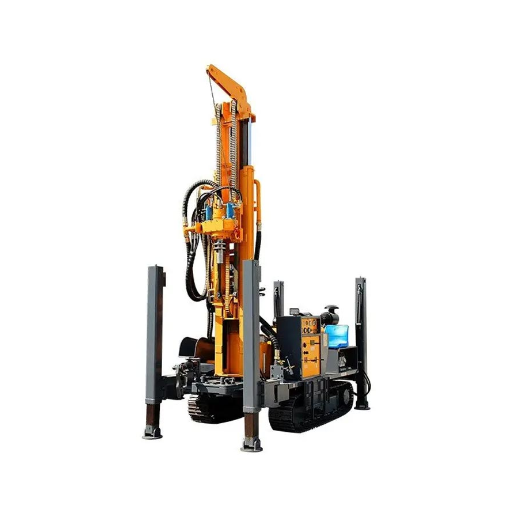
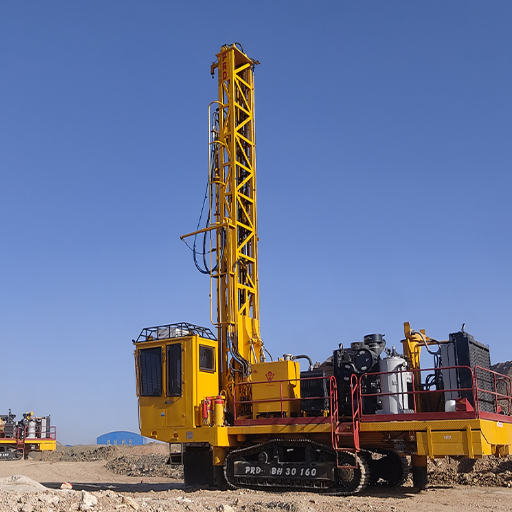
Key elements for the functioning of mechanical drilling rigs include several components. The table that rotates, or rather tops off the drive, provides the force required to rotate pipes. Drawworks raise and lower heavy objects with the assistance of hoisting system components such as a crown block and a travel block. Mud pumps and the circulation system are crucial in handling the drilling fluid, maintaining constant pressure, and cutting removal to the surface. Another component, mast or derrick, supports the kiwi aspect of the hoisting system. All these elements, along with others, make up the heart of mechanical drilling rigs, which provide consistent operation and performance.
Core Components and Specifications
Several integral components make up the structure of mechanical drilling rigs, each of which serves a specific technical purpose:
Roller Crown and Traveling Cages
These are components of the hoisting mechanism that work hand in hand. A crown block is fixed at the highest point of the mast or derrick, and it cannot be traveled, whereas a traveling block functions in an up-and-down motion. They are used for heavy loads involved in drilling with the help of steel ropes and the drawworks.
Wear Pumps and Circulation Devices
The mud pumps are the most important part of the circulation devices; they maintain flow as well as pressure in drilling fluids. That is, they help in keeping the wellbore stable, controlling the hydrostatic pressure in order to clear cuttings, and controlling the bore. Well-engineered pumps usually employ duplex or triplex pumps for fluid operations.
Rigging Structures/Masting
A derrick, otherwise known as a mast, is primarily used for structural support and to handle the loads that are associated with the hoisting system. In recent times, derricks have been required to incorporate a form of modular design to enable quick assembly as well as ease of transport without compromising the desired strength of the structure, particularly for drilling purposes.
Specific components need to be designed to precise dimensions to guarantee appropriate functioning, safety, and performance in both active and latent periods. Aspects like weight and load limits on springs, pump pressure ratings, and the properties of materials directly influence the way a system performs in a day-to-day operation.
Understanding Rig Performance Metrics
Quality Of Means Utilization In Work overarching includes the correspondence with time structure since the mechanical drilling rigs’ pressure will depend on the time duration to perform the intended operations without errors. On top of the list is the progress fragmentation rate/speed indicated by the progress rate of the extactor towards its reach point, that is, its ability to shatter rock formations. Progress rate (ROI) can only go up or down depending on the factors such as drill heads, pressure (БОЭ), and spinning speed of the bit. Next in line is mechanical specific energy (MSE), or rather the amount of energy spent to bore through a unit volume of stiff medium, which, along the process, indicates the efficiency of the drilling tools as well as the likelihood of using the tools being employed.
It is equally significant to look into the effectiveness of the pumps in terms of how they maintain a steady supply of drilling fluids to cool the bit and carry away cuttings where applicable. Apart from that, measuring torque and drag serves as a check on drill strings to prevent associated failures by reading friction levels along the strings.
To effectively manage such indicators, contemporary monitoring approaches utilize live performance indicators, thus allowing operators to alter settings in the course of drilling to increase efficiency and control dangers. Examining these figures is the core of the matter, in order to keep the mechanical drilling rigs working successfully, and avoid any excessive idle time resulting in a negative performance.
Technological Innovations in Rig Design
Optimisation of the mechanics of rig structures becomes a key factor for economic, safety, and environmental reasons. The revolutionary mechanical drilling rigs are replaced with semi-automated and completely automated systems, which are smart and use AI elements to enhance performance, reduce the number of objective risks, and drill holes of high sophistication. Such systems are also integrated in order to get live data concerning the state of equipment, in order to foresee negative trends and take measures to avoid such premature failures that cause breakdowns and extra costs.
There has also been an interesting trend towards the use of modular rigs. Such types enable high mobility as well as very quick assembling, brilliantly enhancing their fast and simple movement to places far away or oceans. Moreover, energy consumption and carbon footprint are considered in building modular rigs incorporating hybrid power plants that reduce fuel usage.
In the same line, digital twin technology is changing the face of rig operations. It is now possible for operators to work with digital versions of their drilling systems, where scenarios can be played out, configurations tried out, and maintenance plans implemented. This helps in facilitating informed decision-making and assisting in operating the rigs optimally. All in all, the advances in the mechanical drilling rigs have been targeted towards enhancing efficiency in terms of costs, accuracy, and environmental friendliness.
Comparison Between Mechanical and Alternative Drilling Rigs
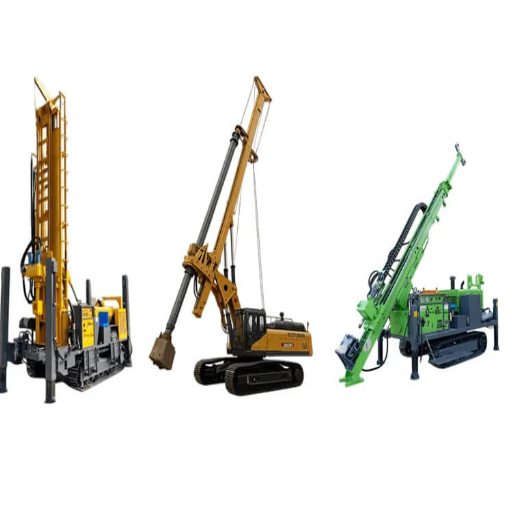
In particular, mechanical drilling rigs make use of conventional methods and instruments in operated driving systems, rotary drives, chains, etc., to carry out the drilling process. These are quite essential for simple, clear-cut advancements and, in particular, are cords of choice due to their simplicity, ruggedness, and most importantly, low operating costs vis-à-vis average conditions of work. Nevertheless, they are often functional only in cases of unchallenging or straightforward tasks. As for alternative drilling machines, these devices are supplemented with cutting-edge solutions like electrical drives, automated control of processes, and analytics of data obtained from sensors and control systems. They enhance accuracy, mobility, and process effectiveness and are applicable for challenging tasks and conditions of limited supplement optimization. These usually enable instant tracking, prognostics, and green power in deep water. They come with a hefty price tag in the beginning, but the advantages of increased efficiency and lowered intervals outweigh the cost of established mechanical drilling rigs in the dust, current mud bitches oil, and gas industry order to answer.
Mechanical Drilling Rigs vs. Electric Rigs
Traditional mechanical drilling rigs exploit the mechanical energy derived from diesel engines to run devices such as the rotary table or drilling motor through the use of complex gear and chain systems. Although these systems have been in existence for a long time, many drills are still limited in their efficiency owing to the amount of fuel they use as well as their tendency to break down easily. They work well in applications where the priority is durability and simplicity, but they can prove difficult to control precisely and integrate with modern digital tools.
On the flipside, electric drill rig equipment uses electrical power to operate the rig, which, on most occasions, is converted on-site or fetched from other renewable sources. This kind of design results in higher precision due to the existence of effective sensors, combined with control systems. Electric drilling rigs usually allow for working adjustments and even operation of the equipment based on data, and thus facilitate better utilization of resources. In addition to the above central controls, they are also often more efficient as they involve less noise and emissions than is the case in mechanical drilling rigs. Nevertheless, the start-up expenses for electric rigs may also be significantly high in terms of required system modifications and the like.
In assessing the appropriateness of mechanical vis-à-vis electric rigs, the factors to be included in the analysis are operating requirements, environmentally sound practices, the overall economics as time progresses, and the extent of required automation. While the mechanical drilling rigs present robust, uncomplicated mechanisms, the electric drilling rigs are flexible, modernistic, and correspond to the present state of the industry.
Mechanical Drilling Rigs vs. Hydraulic Rigs
When considering the merits of mechanical drilling rigs in contrast to hydraulic rigs, it is important to take note of a few more factors, such as how efficient they are, maintenance needs, flexibility, and costs, among others.
The mechanical drilling rigs that operate via direct mechanical linkages involving gears, chains, or belts are mechanical drilling rigs. They are simpler in design, durable, cheap, and that is why they are preferred in places where technological advancement is quite basic or where there is a scarcity of adequate human resources to maintain them. Nonetheless, because of the high use of mechanical elements, there are chances of great wear and tear; therefore, it calls for more maintenance, and highly efficient operation cannot be achieved in cases of high demand.
On the contrary, hydraulic drilling rigs operate on the principle of fluid power, which is achieved through the use of hydraulic systems. Through these systems, it is possible to control operation with greater accuracy, increase operational efficiency, and accommodate systems that do not follow simple operations. Such drilling rigs are ideally suited to applications where automation is possible and there is a need for flexibility. Even so, the cost of installation may be prohibitive; they are not as easy to maintain without expert knowledge, and thus, their use is discouraged in peripheral locations with limited resources.
In hindsight, the choice of mechanical drilling rigs and hydraulic rigs is dependent on the scope and cost of the activities and the availability of personnel to maintain the equipment. Simple and cheap solutions for drilling might prefer mechanical rigs. However, refining operations, precise, and innovative drilling call for the choice of hydraulic ones where needed.
Advantages and Disadvantages of Each Rig Type
Mechanical Rigs
✓ Benefits
Simplicity of Design: Since these rigs contain basic mechanics, they are less complicated to control and require little maintenance.
Cost-Effectiveness: In most cases, mechanical rigs cost less to buy and care for, as opposed to hydraulic ones.
Durability: This kind of construction is not well-equipped for arduous conditions and heavy workloads, but also incorporates limited technical devices as well.
✗ Disadvantages
Precision: mechanical drilling rigs are not equipped with the same level of control as hydraulic rigs, which has its own limitations in sophisticated or difficult drilling projects.
Labor Intensive: The trouble with this type of rig is that they take too many laborers and is very tiring.
Operating Velocity: There is no doubt that mechanical rigs run at less than hydraulic rigs.
Hydraulic Rigs
✓ Pros
High Precision and Control: The application of modern hydraulic systems introduces better precision and control in drilling operations.
Precision drilling: more effective in targeting specific stratigraphic layers, for example, while using high-angle and horizontal wells, where complex solutions are necessary.
Physical fatigue: less of an issue with the use of mechanized devices, together with worker-friendly devices.
✗ Cons
Expensive: No wonder that hydraulic rigs, like any other machinery, are expensive as a whole and have high maintenance and repair costs.
Sophistication and complexity: people need to be equipped with the necessary skills to manage and maintain complex equipment.
Wear: Hydraulic systems may be susceptible to fluid leaks and system wear and tear.
Taking all these features into account, companies are able to choose within the limits of the task to be implemented and the resources available.
Primary Applications of Mechanical Drilling Rigs
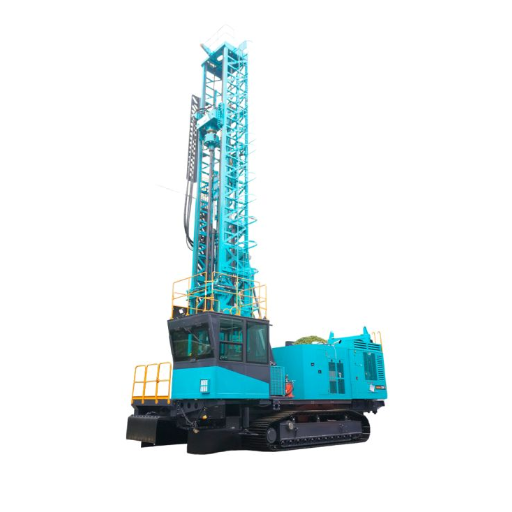
Here are the main uses to which mechanical drilling rigs are applied:
- Oil and Gas Exploration: Used extensively in extracting oil and gas from the earth.
- Geothermal Energy Development: Drills are employed in tapping geothermal energy in the earth’s crust.
- Mineral Exploration: Useful for accessing and assessing minerals, metals, and other resources.
- Water Well Drilling: Utilized more often to drill water wells for drinking water or irrigation.
From the above applications, it can be deduced that mechanical drilling rigs are useful and found applications in these industries in resource exploitation and development.
Key Industries Utilizing Mechanical Rigs
Mechanical drilling rigs have expanded to economic development in different sectors, including oil and gas exploration and production. The following sectors are central to the operations that require these equipments:
Petroleum Industry: In any gas and oil industry, mechanical rigs are employed in the extraction of oil and gas from the ground, often through very deep deposits in most cases. They support the overall energy consumption across the world through onshore and offshore oil drilling, propelling transport, manufacturing, and power generation industries.
Extraction Industry: is very reliant on mechanical drilling rigs and drills for the purposes of exploration, followed by access and extraction of certain kinds of minerals and metals. In combination with that fact, these rigs are successful because they offer realistic as well as depth penetration and a massive amount of excavation, which are very important for all raw materials necessary for construction, electronics, and technology.
The Development of Water Resources: The use of mechanical rigs for constructing wells that are meant for consumption by humans, industries, or animals is indispensable. This ensures water supply reliability to people in towns, villages, and far-flung areas, thus promoting sustainable development and food security in the world.
In the case of the two industries mentioned, mechanical drilling rigs have been able to promote resource facilitation and expansion of economic sustainability owing to their role.
Operational Advantages in Different Applications
Due to their flexibility, effectiveness, and resistance to wear and tear, mechanical drilling rigs have found use in a multitude of industries. The general domestication of water drilling also assures the reach of specific aquifers in depth under any meaningful geological landscape, retaining quality water for the people’s services, which can even overcome boreholes in hostile conditions. In the case of industries, this advantage also holds because it permits extensive drilling operations while causing little to no alteration to the environment, which is another important aspect in current resource production strategies. In the same way, in farming, mechanical drill rigs are essential in establishing efficient and effective irrigation processes because they provide access to underground water, thus improving the production of crops and promoting food availability. Modern designs have extended to include innovations such as safety, protection, and warning systems, thus enhancing the quality of drilling in the configuration and reducing the number of stoppages. All these features combined explain why one cannot overemphasize the significance of mechanical rigs’ use in the maintenance of such vital infrastructure in any area of operation.
Case Studies Illustrating Successful Applications
Case Study 1: Methods Employed by Smart Farmers in Sustaining the Groundwater Usage for Crops
One region, recognized for agriculture, embarked on deep aquifer exploitation using mechanical drilling rigs so as to irrigate under dry conditions all year round. Introducing automated control of these very holes, the farmers use less water in an effective manner and managed to increase crop harvest by as much as 20% in five years. In this case, the emphasis is placed on how advanced technologies of water drilling facilitate the proper exploitation of water resources as well as food production over time.
Case Study 2: Arise of Order Flouting within the New Age – Systematic Decision Delivery Model Entitled ‘Psi Bow’
One energy company made improvements in the methods used in the extraction of oil and gas with the adoption of the latest technology mechanical rigs, demonstrating real-time data analytics and also control mechanisms in all drilling stages. Such technological innovations minimized the number of mistakes that could have been made by the people working in the rig, reduced the downtime of the rig itself by 15%, and enhanced the precision in the drilling process, making the whole operation cost-effective and environmentally friendly. The importance of such state-of-the-art rigs in the energy sector is demonstrated in this particular instance of optimization.
Example 3: Construction of Public Amenities Using Focused Drilling
There were mechanical drilling rigs supporting the building of the city train system, that are subway due to less traffic within the tunnels, and they were used in setting up tunnels in compact cities with precision on orientation. The directionality presented by the rig was impressive as they worked through the stones and other issues without any issue and thus helped cutting of the project period rendered easy as the months reduced by a factor of 30 percent. This particular application becomes evidence of how innovation techniques help resolve urbanization challenges to the point where drilling is concerned; once set up in position, no movement is necessary.
Maintenance Best Practices for Mechanical Drilling Rigs
Inspection Requirements
Regular inspections of mechanical drilling rigs should be in place and should include an examination of certain parts. If the components need any alterations, this needs to be performed as soon as possible, particularly the drill bits, hydraulics, or power supply systems. Doing so will help maintain the equipment to a functional state, off the charts failures highly evident in the work station.
The Use of Grease and Oil
The first principle of combating wear involves proper lubrication of parts in motion, as friction has to be reduced. Also, hydraulic fluids need to be checked as often as possible to avoid loss of pressure and subsequent heating. Efficiency needs to be sustained by changing the fluids and filters as instructed by the manufacturer.
Instruments, Calibrations, and Adjustments
The calibration of a drill involves the periodic adjustment of the location and the element in question. It is important to conduct periodic checks for the alignment of the equipment; otherwise, it will cause undue stress and affect the equipment’s accuracy.
Training of the drivers
Operators must understand how to use the equipment and know the proper procedures during emergencies. There is usually a need for an understanding of routine mandated training on system changes and steps in safety, which enhances efficiency and safety compliance.
Maintenance Logbooks
Keeping a record of every inspection process, repairs carried out, and parts replaced is effective in monitoring the equipment covered. This helps with maintenance forecasting and can assist in maintaining the terms for repair.
Routine Maintenance Procedures
Machine equipment is designed to be used continuously over a longer period of time. This is possible because dogmatism with these scheduled activities is not always achieved. Such activities include activities such as looking for broken bits in the moving paths, lubing up the joints wherever any joints need to be moved, or simply checking where any nuts need tightening to maintain the structural rigidity. Periodic changing of filters and cleaning the crucial equipment parts also proves beneficial in eliminating system failures due to clogging. With the advent of technology, various gadgets are used in maintenance at present due to the fact that they help in assessing, existing equipment, thereby preventing possible disorders. Keeping the said maintenance schedules strict leads to less loss of time, more productivity, and also the observation of all the operational, safety, and legal procedures.
Common Issues and Troubleshooting Tips
I start by attempting to identify and assess the symptoms of the problem and its causes very clearly when dealing with prevalent issues. More precisely, if a machinery warm-up exists, then checking for blocked air circulation systems or non-functioning cooling devices is the priority. In case of any noise, for example, look for any components that may be loosened or any mechanical drilling rig components that may be worn out. On top of that, in case of low performance, looking at the diagnostic data and identifying any lapses in the software or hardware maintenance level is necessary. This way, I can solve more problems effectively while returning all the broken systems to their normal function.
Safety Standards and Compliance
Safety requirements and compliance are critical from a business perspective – for the stability of operations and also for the insulation against hazards. Some of the most basic safety measures include the need for sourcing and undertaking regular risk assessments so as to be able to deal with any identified hazards in the workplace. Furthermore, adopting practices and safety measures that are prescribed by OSHA, ISO 45001, and/or NFPA ensures the incorporation of safety and health standards at the workplace. For overall safety awareness, regular safety training, which includes safety audit reporting and accident report procedures, is instrumental. Good records are maintained during the operations since regulations are changing and, therefore, it guarantees that the activities of the organization are within the bounds of law and ethics.
Conclusion
Mechanical drilling rigs remain fundamental to the modern drilling industry, offering reliability, durability, and cost-effectiveness across diverse applications. As technology continues to advance, these systems evolve to meet the growing demands for efficiency, safety, and environmental sustainability, ensuring their vital role in resource extraction and infrastructure development for years to come.
Reference Sources
This report covers the global drilling rig market, including mechanical rigs, with a detailed analysis of market trends and regional insights.
LinkedIn Article on Mechanical Processing Drilling Machines
This article discusses the market scope, segmentation, and applications of mechanical drilling machines, which can provide context for mechanical drilling rigs.
Frequently Asked Questions (FAQs)
How would you define mechanical drilling rigs?
For boreholes to be created, mechanical drilling rigs make use of specified mechanical apparatus for the purpose of borehole creation/extension, and the extraction and installation of pipes. They employ mechanical systems such as winches, rotary tables, drill pipes, engines, and so forth, in rotating or advancing a bit within the earth; this type of drilling equipment is mainly used to drill into formations that contain oil or gas, water wells, mineral exploration, and/or geotechnical activities.
What is the principle of mechanical drilling rigs?
The mechanical drilling rigs employ two forces – rotational and axial compression, which turns drills with the bits, and the excretion of the sludge and other fluids used for drilling purposes. The rotary motion function is generally performed by the diesel engine in combination with an electric motor, the hoisting function with respect to all elements of the pipe, and the equipment is fulfilled by the drilling rig. Moreover, circulation is constantly done, which makes the bottom of the well free of dust and clean, thereby clear of dust and extraction of cuttings during cuttings circulation during drilling processes.
What are the different techniques of mechanical drilling rigs that are available?
There are several different kinds of rigs, such as rotational, top drive, cable run (alternatively referred to as percussion), augers, and portable dragging rigs. Each of these is employed in specific ground types and sizes of job sites, i.e., rotary for oil drilling or large diameter bore holes, augering for shallow soil tests and geotechnical work, and cable tooling for hard rocks.
How do you choose a suitable and appropriate rig for drilling programs?
These include the depth and width of the hole to be drilled, the type of ground or rock encountered, how static or mobile the rig should be, how easy it is to transport and deploy the equipment, factors pertaining to environmental considerations, the rate of drilling that can be achieved, and cost. Examples of particular requirements that affect the choice of the rig for the project include: maintaining the sampling process, doing any kind of serial section of casing, dealing with problems of compatibility that different drilling fluids cause, among others.
What are some of the key issues in terms of employees’ safety while working with mechanical drilling rigs?
Safety priorities must involve the training and certification of operators, the inspection and maintenance of equipment, the anchoring and stabilizing of a rig, rig-floor and hoisting operations, fall protection, the proper handling of drilling mud and pressure, and planning for potential emergencies such as a blowout, fire, or spillage.
How is mechanical maintenance carried out on drilling rigs?
Inspection and lubrication of moving parts, assessment of hydraulic and electrical systems, supervision of engine and fuel systems, drill pipes and bits wear and tear replacement, trial of safety equipment, and mud circulation unit service are examples of routine maintenance. There is scheduled preventive maintenance and detailed logs that minimize downtimes and ensure the rig serves for a long.
What are the environmental effects of mechanical drilling rigs, and how can such effects be reduced?
Environmental consequences of drilling activities include alterations to the land, generation of noise pollution, release of organic or inorganic components, and danger of fluid contamination or leakage of cuttings. Some recommended mitigation measures are containment of fluids and cuttings, or sanitary disposal of waste, sound control, spill response plans, minimal rig size, compliance with holder regulations, and restoring the site afterwards.
Related Posts
Loyal is a professional drilling equipment manufacturer specializing in oil rigs,
mud pumps, and solid control systems for global drilling operations.
mud pumps, and solid control systems for global drilling operations.
-
Phone: +86-531-55583139
-
Whatsapp/Wechat/Mobile: Ashley: +86 13256674591
Cindy: +86 13176674591
Products
Quick Links